By Shane Roddy, Board Member and Technology Chair, Montero Medical Missions
When people hear the words technology donation, they often picture the handoff: a classroom receiving computers, students sitting down at new screens, or a remote community connecting to the internet for the first time.
Those moments matter. They are visible, emotional, and easy to celebrate. But international service work has taught me that the handoff is not the measure of a successful technology project. The real test comes later—when the visiting team has gone home.
Are the devices still being used six months from now? Can teachers confidently make them part of a lesson? Is the internet connection affordable and reliable? Who can troubleshoot a problem? What happens when a battery fails, software needs an update, or a device reaches the end of its useful life?
If we cannot answer those questions, we have not finished the donation. We may have simply transferred a future problem to a community that already has limited resources.
Start with the community, not the equipment
The first lesson is simple: do not begin with what a donor has available. Begin with what the community says it needs.
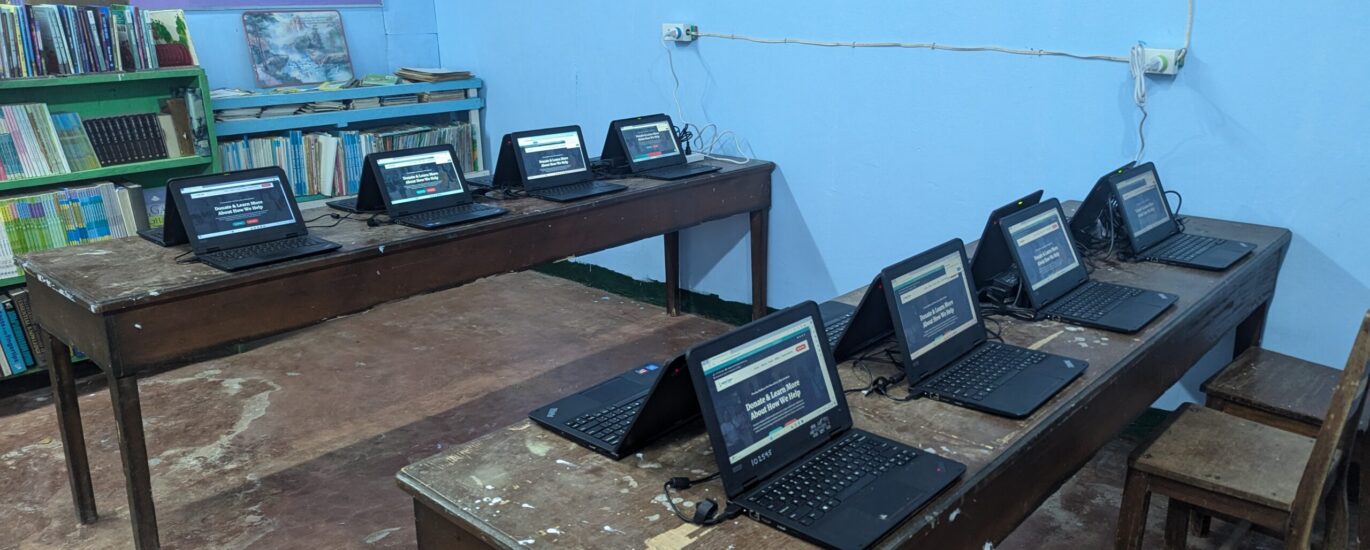
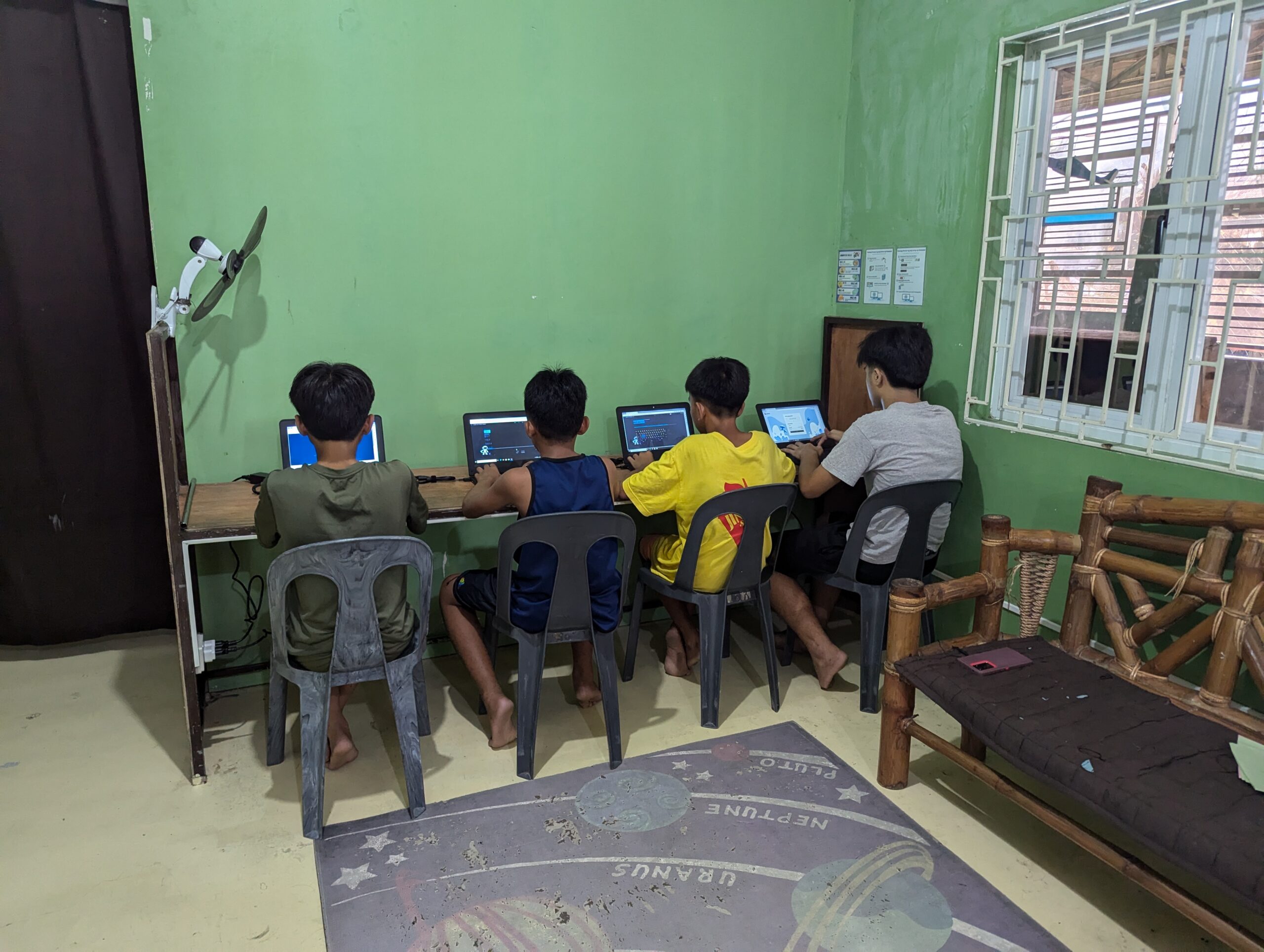
At Montero Medical Missions, our technology work is connected to a broader commitment to sustainable service. In rural schools in the Philippines, that has included helping expand access to computers, books, internet connectivity, and digital learning opportunities. The technology can be exciting, but it must support goals defined with the school and its local partners.
A room full of desktop computers may sound generous, for example, but it will not be useful if the school has unstable electricity, limited physical security, no affordable internet service, or no one nearby who can repair that particular equipment. A different solution—fewer devices, lower-power hardware, offline educational content, or a phased deployment—may create far more lasting value.
This is why listening is not a preliminary courtesy. It is part of the technical design.
A computer is not a complete technology program
One of the easiest mistakes in service work is to treat hardware as the entire solution. In reality, every device belongs to a larger system.
That system includes:
- Dependable electricity and surge protection
- Appropriate internet connectivity—or a plan for productive offline use
- Software that is licensed, secure, and relevant to local needs
- Teachers and staff who have time and support to learn the tools
- Physical security and responsible access policies
- Technical support, spare parts, and a repair plan
- A realistic budget for recurring costs
- A responsible plan for eventual reuse, recycling, or disposal
If one of those pieces is missing, even excellent equipment can sit unused.
This broader view is consistent with what international education and connectivity organizations have found. Sustainable digital education requires more than devices: connectivity, relevant platforms and content, educator training, cybersecurity, financing, and long-term operational capacity all have to work together.
Training is infrastructure
Donors tend to think of infrastructure as things we can see: cables, routers, satellite equipment, computers, and buildings. But human knowledge is infrastructure too.
A technology project becomes more resilient when several people in the community understand how it works. Teachers need more than a quick demonstration. Local coordinators need documentation and a clear way to request support. Students need guidance on safe, responsible use. Whenever possible, someone nearby should be able to diagnose common problems without waiting for help from another country and another time zone.
Training should also fit the setting. It must account for available bandwidth, class size, language, curriculum, staff schedules, and the realities teachers face every day. The goal is not to make a school adapt itself to a donation. The goal is to make the technology useful within the school’s actual environment.
When local educators and technical partners can operate, teach, troubleshoot, and improve the system themselves, the project stops belonging to the donor. That is a sign of success.
Plan for the unglamorous years
Donations are often funded around acquisition and delivery. Sustainability lives in the less visible expenses that follow.
Internet service has a monthly cost. Batteries wear out. Chargers disappear. Devices require updates. A system that works for 20 users may struggle when 100 people depend on it. Staff members change roles. New teachers need training. Equipment eventually becomes obsolete.
Responsible planning means discussing those realities before anything is shipped or installed. Who owns the equipment? Who administers accounts? Which expenses can the school or a local partner reasonably carry? What support will MMM and other partners provide? How will we know whether the technology is being used and producing value?
It is better to build a modest program that a community can sustain than an impressive installation it cannot maintain.
Do not turn generosity into electronic waste
Technology donations also carry an environmental responsibility.
The World Health Organization reports that the world generated 62 million tonnes of electronic waste in 2022 and that less than one-quarter was documented as properly collected and recycled. Informal dismantling and disposal can expose workers, families, and especially children to hazardous substances.
That means international donation cannot become a convenient way to move aging or unwanted equipment somewhere else. Before accepting devices, organizations should evaluate their age, condition, security, compatibility, remaining useful life, and repair prospects. Equipment that is already near failure is rarely a gift.
A sustainable donation includes an end-of-life plan from the beginning. That may involve refurbishment, parts recovery, a qualified local recycling partner, or choosing devices whose useful lives justify the cost and complexity of deployment.
Measure what remains
Counting donated computers is easy. Counting meaningful use is harder—and more important.
Good evaluation asks different questions:
- Are the devices functional and regularly used?
- How many educators have been trained, and do they feel confident using them?
- What learning, communication, health, or employment activities are now possible?
- Is access distributed fairly?
- Can local partners resolve common technical problems?
- Are recurring costs manageable?
- What should be changed before the next phase?
These questions shift the focus from what the donor delivered to what the community can continue to do.
The most useful question
International service has changed the question I ask about technology donations.
I no longer begin with, “What can we give?”
I begin with, “What are our partners trying to accomplish, and what combination of technology, training, support, and long-term planning will help them accomplish it?”
Sometimes the answer includes computers and internet connectivity. Sometimes it includes teacher training, offline resources, repairs, or support for systems already in place. Often, it requires a combination of all of these.
Technology can help bridge distance, expand education, support telehealth, and open doors that were previously closed. But hardware alone does not create opportunity. People do—and our responsibility is to build with them in a way that lasts.
Get Involved
Help build technology programs that last. Montero Medical Missions works with schools and community partners to identify practical technology, connectivity, training, and support needs. If you have relevant technical expertise, appropriate equipment, or funding to contribute, contact MMM before making a donation so that your support can become part of a sustainable plan.